NHVR Compliance Simplified: Your Guide to Vehicles, Weights, and Routes
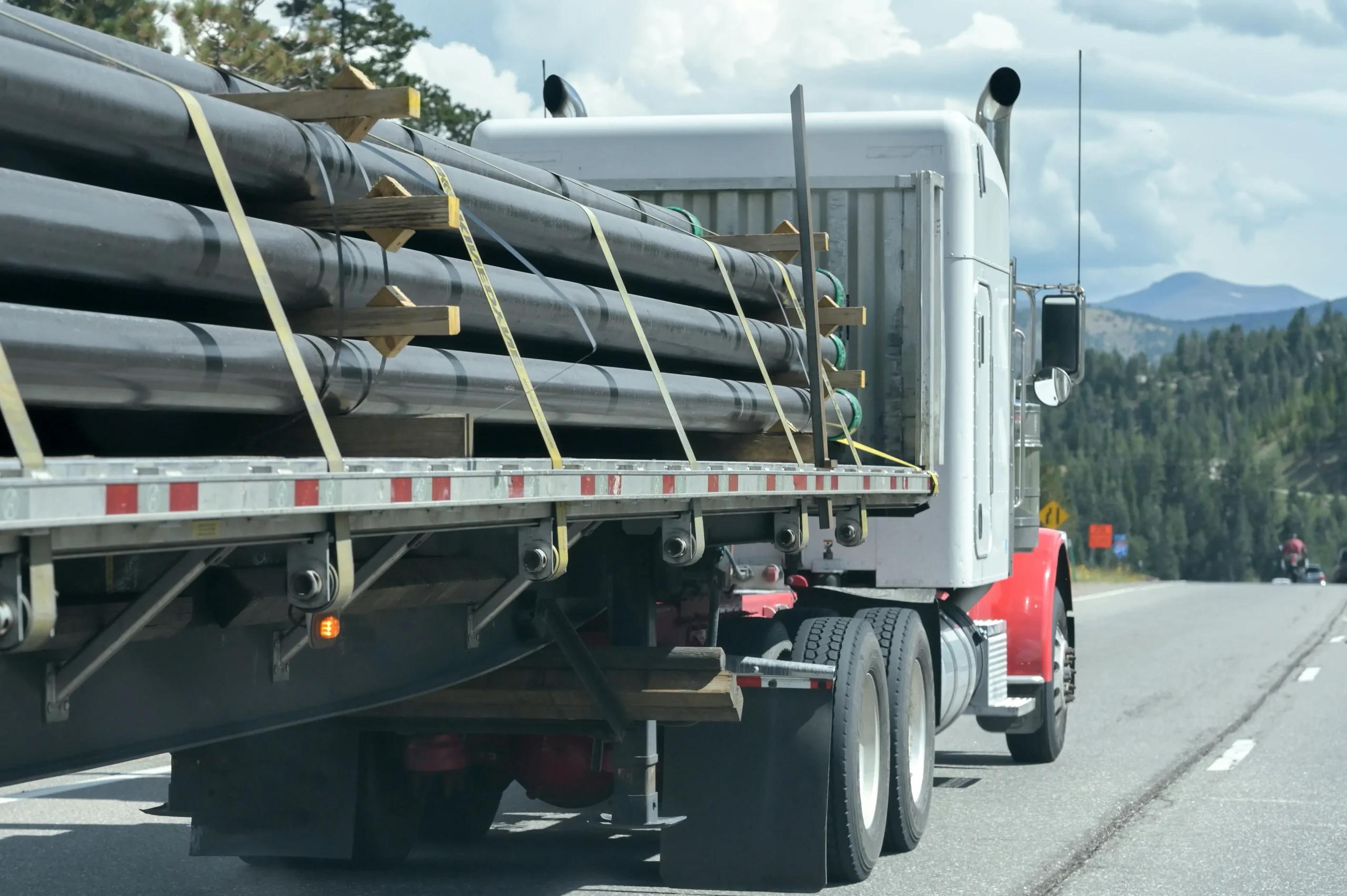
Juggling NHVR regulations can feel like a full time job. Between vehicle standards, mass limits, and approved routes, staying compliant is a complex task. For transport managers, the workload and responsibility can be intense. Non compliance can lead to significant fines, disruptive delays, and most importantly, serious safety risks for your drivers and the public. The administrative burden is real, but it doesn't have to bury you in paperwork.
This guide breaks down the core pillars of NHVR compliance into simple, actionable advice. We'll cover the essentials of choosing the right vehicles, loading them correctly, keeping them roadworthy, and planning journeys that stick to the rules. Think of it as your roadmap to turning compliance headaches into a streamlined, controlled, and proactive part of your operations.
Understand Your Fleet: A Clear Breakdown of Truck Combinations
The first step to compliance is knowing exactly what you're putting on the road. The NHVR categorises heavy vehicles into two main types, and the one you operate determines where you can go and what rules you need to follow.
- General Access Vehicles (GAVs): These are standard-sized vehicles that meet general mass and dimension limits. As the name suggests, they have "general access" to the road network and don't need a specific notice or permit, unless a road is otherwise sign-posted.
- Restricted Access Vehicles (RAVs): These are vehicles that operate outside of the general limits, such as B-doubles, road trains, or those running under higher mass limits. RAVs require a notice or permit to operate and are restricted to specific, approved parts of the road network.
For operators looking to maximise efficiency, the Performance Based Standards (PBS) scheme offers a pathway for using more innovative and productive vehicles. Instead of sticking to prescriptive length and weight rules, the PBS scheme assesses a vehicle based on how it actually performs on the road, ensuring it can turn, stop, and handle safely.
Opting for PBS-approved vehicles brings significant advantages:
- Improved Productivity: PBS vehicles deliver an average productivity improvement of 15-30%, moving more freight with fewer trips.
- Greater Efficiency: Fewer trips mean less fuel consumed. In 2019 alone, the PBS fleet saved an estimated 200 million litres of fuel.
- Enhanced Safety: PBS vehicles are involved in 46% fewer major crashes per kilometre than conventional heavy vehicles. They are typically newer and equipped with the latest safety technology.
Why this matters: Choosing the right vehicle configuration for the job isn't just a compliance issue; it's a business decision. Using a PBS vehicle where possible means you can move more with less, directly improving your bottom line while running a safer fleet.
Load Smarter: Navigating NHVR Mass Limits
Once you have the right vehicle, you need to load it correctly. Exceeding mass limits is a common and costly mistake. The NHVR has three main categories of mass limits you need to know.
- GML (General Mass Limits): This is the standard, baseline limit that applies to all heavy vehicles unless they have special approval.
- CML (Concessional Mass Limits): This allows operators to carry slightly more than GML on certain axle groups. To be eligible for CML, you must be accredited under the Mass Management module of the National Heavy Vehicle Accreditation Scheme (NHVAS).
- HML (Higher Mass Limits): This provides a significant productivity boost by allowing substantially higher mass on specific vehicle types, like B-doubles and road trains, on approved HML routes.
Why this matters: Understanding and using these different mass limits is essential for maximising your load efficiency without breaking the law. Operating under CML or HML where eligible can provide a major competitive advantage.
Want to Operate Under CML or HML? Here’s What You’ll Need
To run under Concessional Mass Limits (CML) or Higher Mass Limits (HML), there are a few key boxes you need to tick:
CML (Concessional Mass Limits)
- Be accredited under the NHVAS Mass Management module
- Nominate the specific vehicles you want to include in the scheme
HML (Higher Mass Limits)
- Use an eligible vehicle (like a B-double or Type 1 road train)
- Have a certified road-friendly suspension system
- Be enrolled in a compliance program like the Intelligent Access Program (IAP) or Telematics Monitoring Application (TMA)
- Stick to the approved HML route network
Stay Roadworthy: Mastering the NHVR Heavy Vehicle Inspection
A compliant vehicle is a safe one. Regular checks help keep your drivers safe, stay on top of your responsibilities, and avoid surprise defects or breakdowns that can cost you time and money.
The National Heavy Vehicle Inspection Manual (NHVIM) is the official guide used by authorised officers, outlining the pass/fail criteria for heavy vehicle inspections. It's a detailed document, but it focuses on critical safety systems.
Key areas checked during an inspection include:
- Brakes: Components, air systems, service brake, and park brake performance.
- Couplings: Fifth wheels, pintle hooks, towbars, and safety chains must be secure and in good condition.
- Steering and Suspension: All components must be free from excessive play or wear.
- Wheels, Tyres, and Hubs: Tyres must have sufficient tread, and all wheel fasteners must be secure.
- Structure and Body: Chassis, body mounts, and mudguards must be sound.
- Lights and Reflectors: All mandatory lights and reflectors must be present and working correctly.
- Seats and Seatbelts: Seats must be secure, and seatbelts must be fully functional.
Why this matters: Regular, proactive checks are the best way to avoid roadside defects. One defect notice can take a truck off the road instantly, messing with your schedule and in turn your revenue. Keeping things documented helps you stay ahead, and digital tools make it easy by replacing messy paper trails with reliable records. It’s all about keeping your trucks safe, on the road, and ready to go. For instance, drivers using the Saphyroo app can perform digital pre-start inspections, complete with photos, giving managers instant proof that checks were done correctly.
Handling Special Cases: Oversize Loads and Vehicle Standards
Certain operations come with extra layers of rules. Moving oversize loads or modifying vehicles are high-risk activities where compliance is absolutely critical.
Pilot & Escort Requirements
When moving an oversize load (e.g. wider than 2.5m or longer than 25m), a pilot or escort vehicle is often required to warn other road users. These vehicles must be equipped with specific warning signs and lights and maintain constant communication with the heavy vehicle driver. For example, travelling at night in an urban area with a vehicle wider than 3.1m requires a pilot vehicle.
Vehicle Modifications
Any modifications to a heavy vehicle must be done correctly and certified to ensure safety is not compromised. The NHVR classifies modifications and details the requirements in Vehicle Standards Bulletins (VSBs), with VSB 6 being the primary code of practice for heavy vehicle modifications. Getting a modification approved requires certification, often from an Approved Vehicle Examiner (AVE), to confirm it meets all relevant standards.
Why this matters: For these high-risk tasks, there is no room for error. The rules are strict because the potential consequences of a mistake are severe. Always consult the official guidelines before undertaking these operations.
Using our Saphyroo specialist, will help keep your modifications compliant and everything in check.
Plan for Success: Using Approved NHVR Routes
Sticking to approved routes is just as important as vehicle and weight compliance. The official NHVR Route Planner is the primary tool for planning heavy vehicle journeys in Australia.
This isn't just another GPS. The Route Planner is an interactive map that shows pre-approved routes for specific vehicle combinations, including B-doubles, HML, PBS, and road trains. You can enter your start and end points, and the tool will map a route that is approved for your vehicle type, helping you identify where you might need to apply for a permit.
Why this matters: Using the NHVR Route Planner is the simplest way to ensure your drivers stay on roads they are legally allowed to use. It prevents fines, avoids sending a heavy vehicle down an unsuitable road, reduces the risk of accidents, and helps ensure on-time delivery.
Less Paperwork, More Control: Managing Compliance with Saphyroo
Connecting all these dots - vehicle specs, maintenance, inspections, and routes - can be a major challenge. This is where you can move from reactive problem solving to proactive, simplified management.
Saphyroo's Drive360 platform brings all your critical compliance information into one place, giving you the control needed to stay ahead.
- Track everything from one console. With Saphyroo's fleet management solution, you can manage vehicle registrations, inspection schedules, and maintenance logs from a central dashboard. You get a complete overview of your fleet's compliance status at a glance.
- Digitise your inspections. Drivers use the Saphyroo app to conduct digital pre-start inspections, capturing photos as proof. These reports are sent to managers instantly, eliminating paperwork and creating a permanent, accessible record of every check.
- Ensure route adherence. With Live GPS Fleet Tracking, you see your vehicles on a map in real-time. This allows you to confirm that drivers are sticking to the approved NHVR routes you planned, preventing costly deviations and ensuring safety.
- Integrate all your data. By linking vehicle status, driver schedules, and real-time location data through fleet telematics, you gain a complete operational picture that makes proactive compliance simple.
Conclusion: From Complex Rules to Simple Control
Staying NHVR compliant comes down to a few key things - knowing your vehicles, managing weights, doing regular checks, and sticking to approved routes. The rules might be complex, but handling them doesn’t have to be hard. With the right tech, you can bring all these tasks together into one simple, automated process. It’s not just about ticking boxes - it’s about making your operation safer, smoother, and more efficient.
Ready to swap compliance headaches for streamlined control? Discover how Saphyroo’s Drive360 platform gives you the visibility you need to stay compliant and efficient. Learn more today.